
Isfahan, Iraqi Kurdistan explore ways to expand economic cooperation
TEHRAN- During a recent meeting held at the place of Isfahan Chamber of Commerce, the ways to expand cooperation in different areas, especially economy and trade, between Isfahan and Kurdistan Autonomous Region of Iraq were discussed. Representatives from both sides described Isfahan as a strategic city for expanding exchanges and the active presence of Iraqi
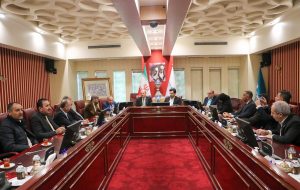
TEHRAN- During a recent meeting held at the place of Isfahan Chamber of Commerce, the ways to expand cooperation in different areas, especially economy and trade, between Isfahan and Kurdistan Autonomous Region of Iraq were discussed.
Representatives from both sides described Isfahan as a strategic city for expanding exchanges and the active presence of Iraqi traders, tourists, and students.
According to the Public Relations Department of the Isfahan Chamber of Commerce, the meeting also stressed the necessity of establishing direct flights between Isfahan and Sulaymaniyah as an effective measure to facilitate travel and expand economic and cultural interactions.
Mohammad Reza Gol-Ahmad, a member of the Board of Representatives of the Isfahan Chamber of Commerce, highlighted the extensive economic and cultural capacities of the province, stating: “Isfahan is a city with a rich historical background and valuable ancient artifacts, and its handicrafts can be highly attractive to visitors.”
Gol-Ahmad emphasized Isfahan’s prominent industrial position, adding: “Isfahan is considered one of the country’s major industrial hubs, and Iran’s largest producers in various industrial sectors operate in this province.” According to him, Isfahan is a comprehensive city for familiarizing oneself with various industries.
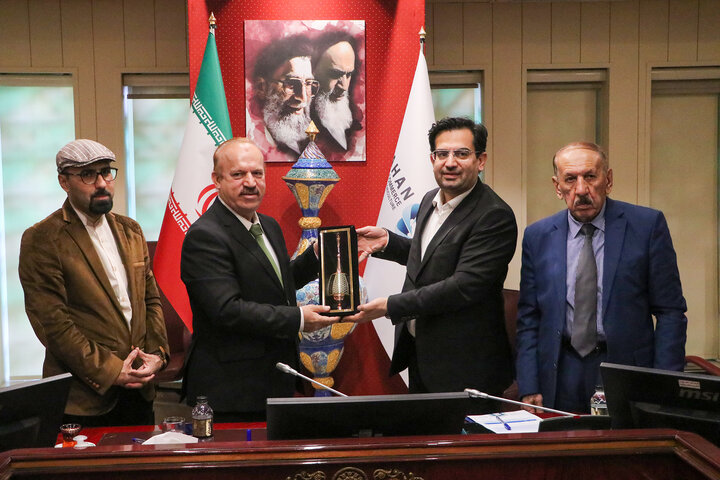
Mostafa Abdolrahman, Head of the Exporters and Importers Union of the Kurdistan Region of Iraq, for his turn, announced the development of economic and transportation cooperation between Isfahan and the Kurdistan Region.
Referring to the long land route between Isfahan and Sulaymaniyah, he said: “The land route takes about 18 to 20 hours and is not suitable for the health of traders and tourists. Since last year, necessary follow-ups have begun to establish direct flights.”
The Head of the Exporters and Importers Union of the Kurdistan Region described Isfahan as one of Iran’s industrial hubs and emphasized: “The Kurdistan Region intends to expand its industrial and commercial cooperation with this province, and establishing direct flights will facilitate the presence of traders, historical and cultural tourists, and Iraqi students in Isfahan.”
Abdolrahman also noted the presence of over four thousand Iraqi students in Iran, stating: “This flight will provide easier access for them from neighboring provinces and help strengthen cultural and academic ties between the two regions.”
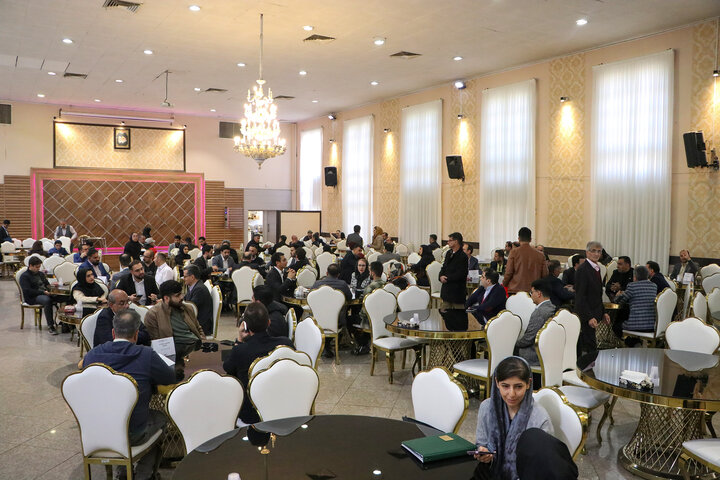
On the sidelines of this visit, B2B meetings were held between members of the Isfahan Chamber of Commerce and 20 Iraqi trade delegations. These sessions provided a valuable opportunity for direct business dialogues, exchange of experiences, and exploration of areas for joint cooperation, enabling both sides to discuss existing capacities in various fields and examine opportunities for developing economic relations and joint investments.
Additionally, delegation members introduced their capabilities and potentials in domestic and international markets, emphasizing the importance of establishing robust trade networks to expand exports and imports.
This event also paved the way for signing memoranda of understanding and cooperation agreements in the near future between companies and investors from the two countries, playing an effective role in strengthening Iran-Iraq economic relations.
MA